
The Allee was an urban design concept for the 2026 Chicago Horizon Lines design competition which called for ambitious, visionary and implementable ideas that explore what Chicago could build, enhance, protect or re-envision by 2050. It addresses but is not limited to the following criteria:
- New architectural icons and reimagined civic landmarks
- Transformative public spaces
- Housing and neighborhood vitality
- Economic engines and cultural districts
- Street-level interventions that improve daily life
- Bold proposals that challenge existing assumptions about Chicago's future
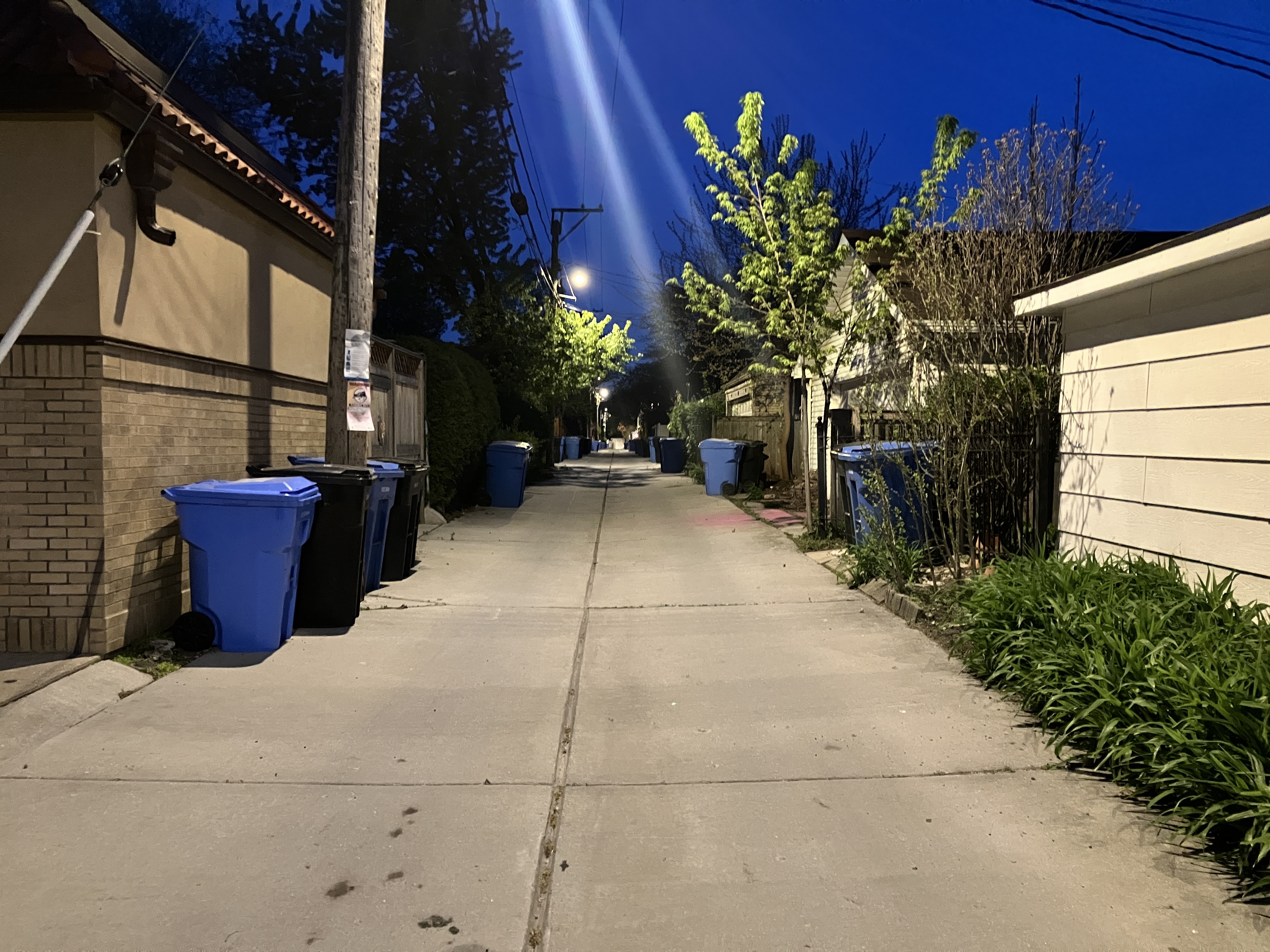
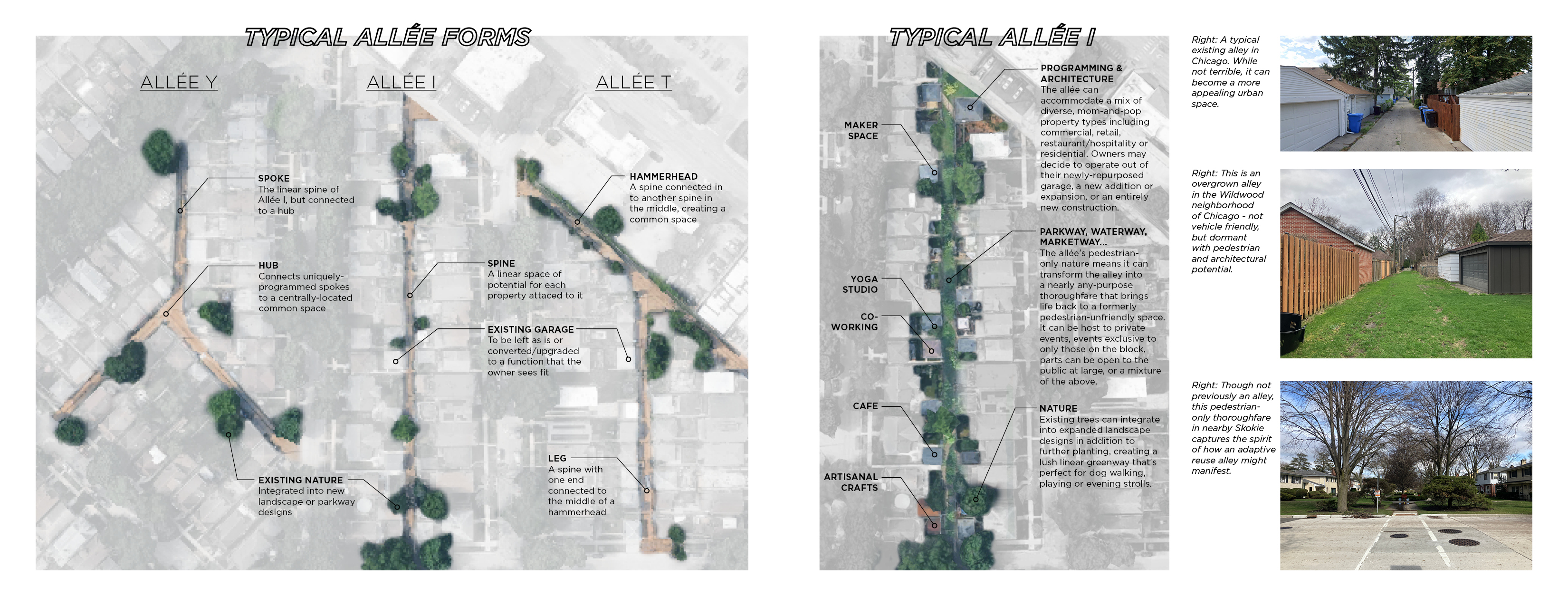
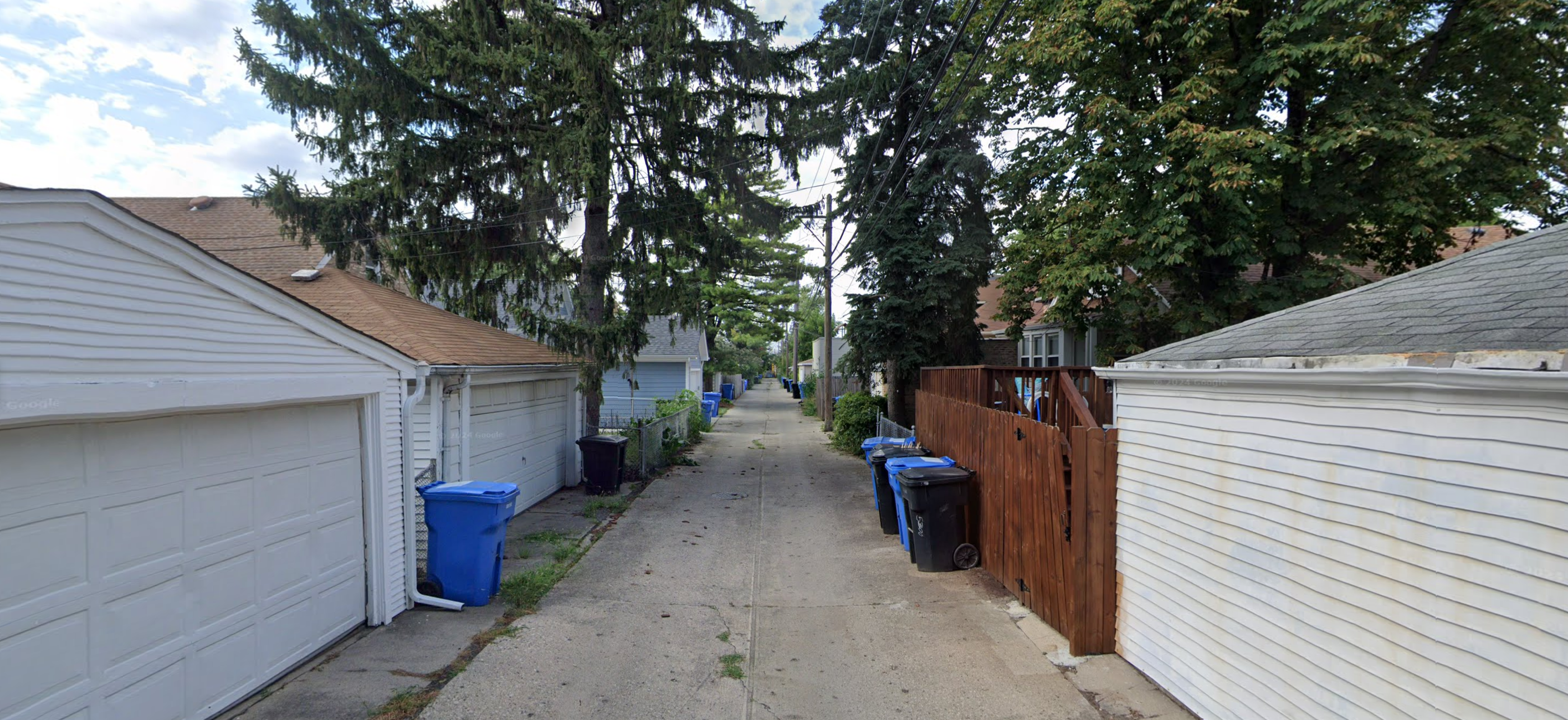
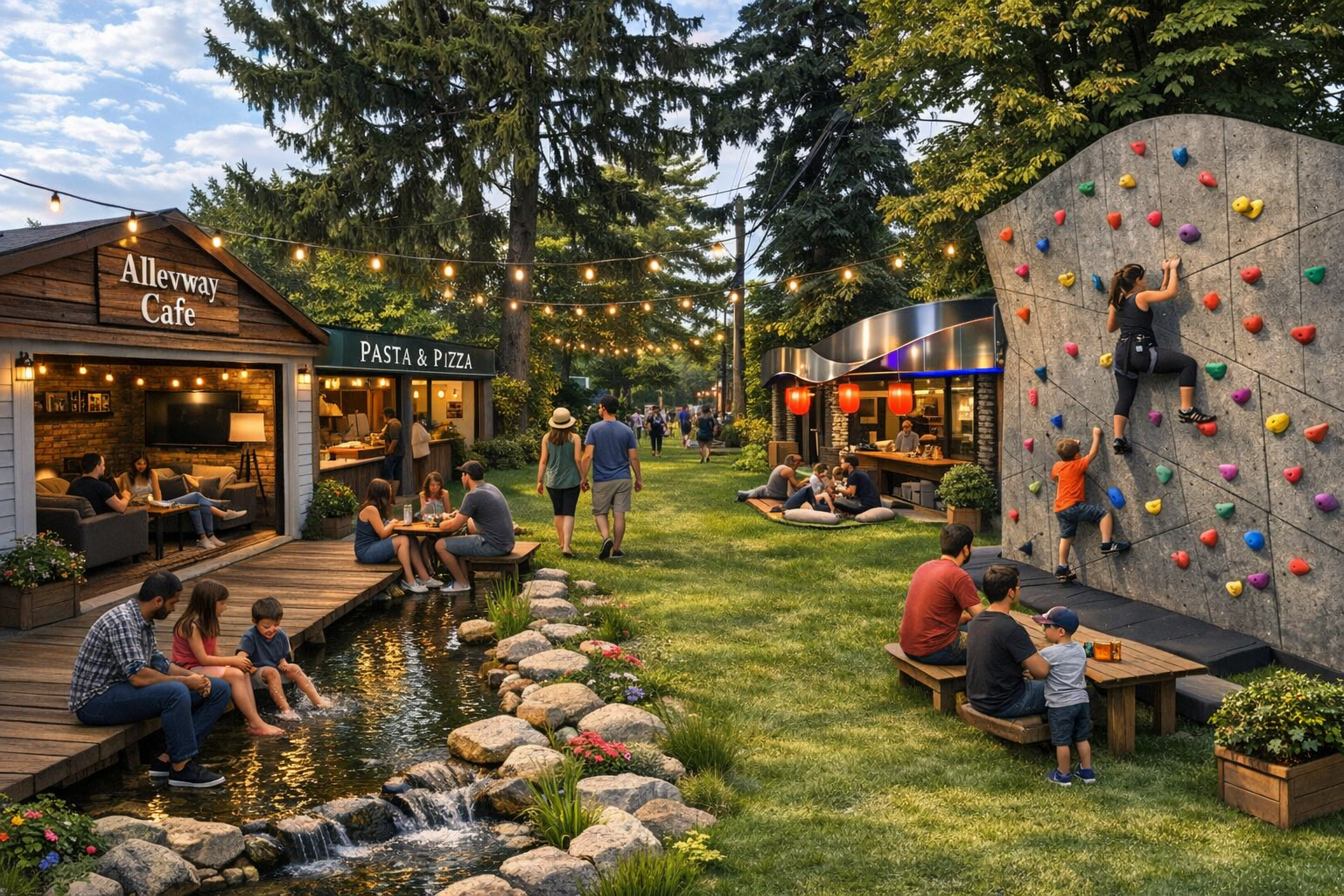
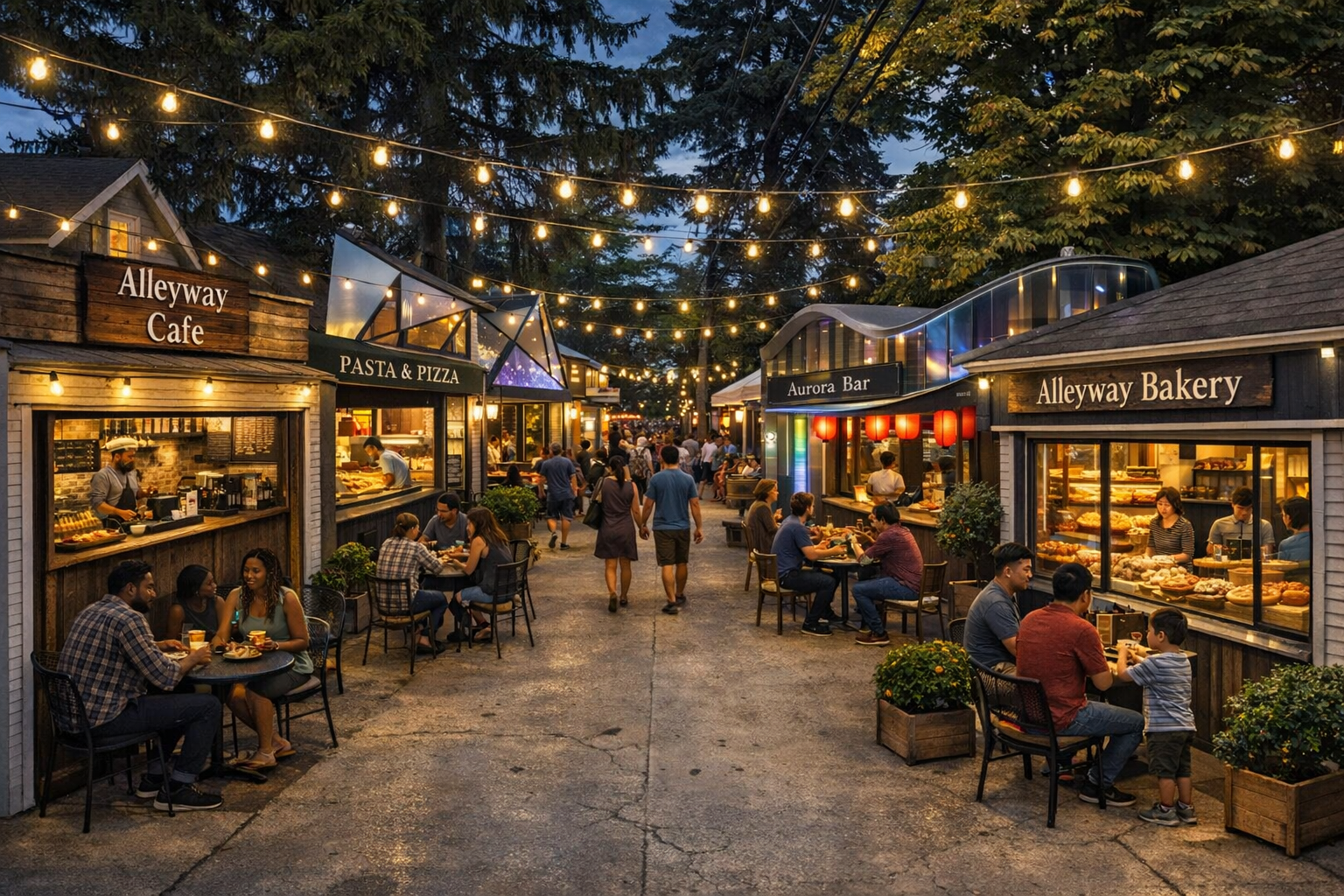
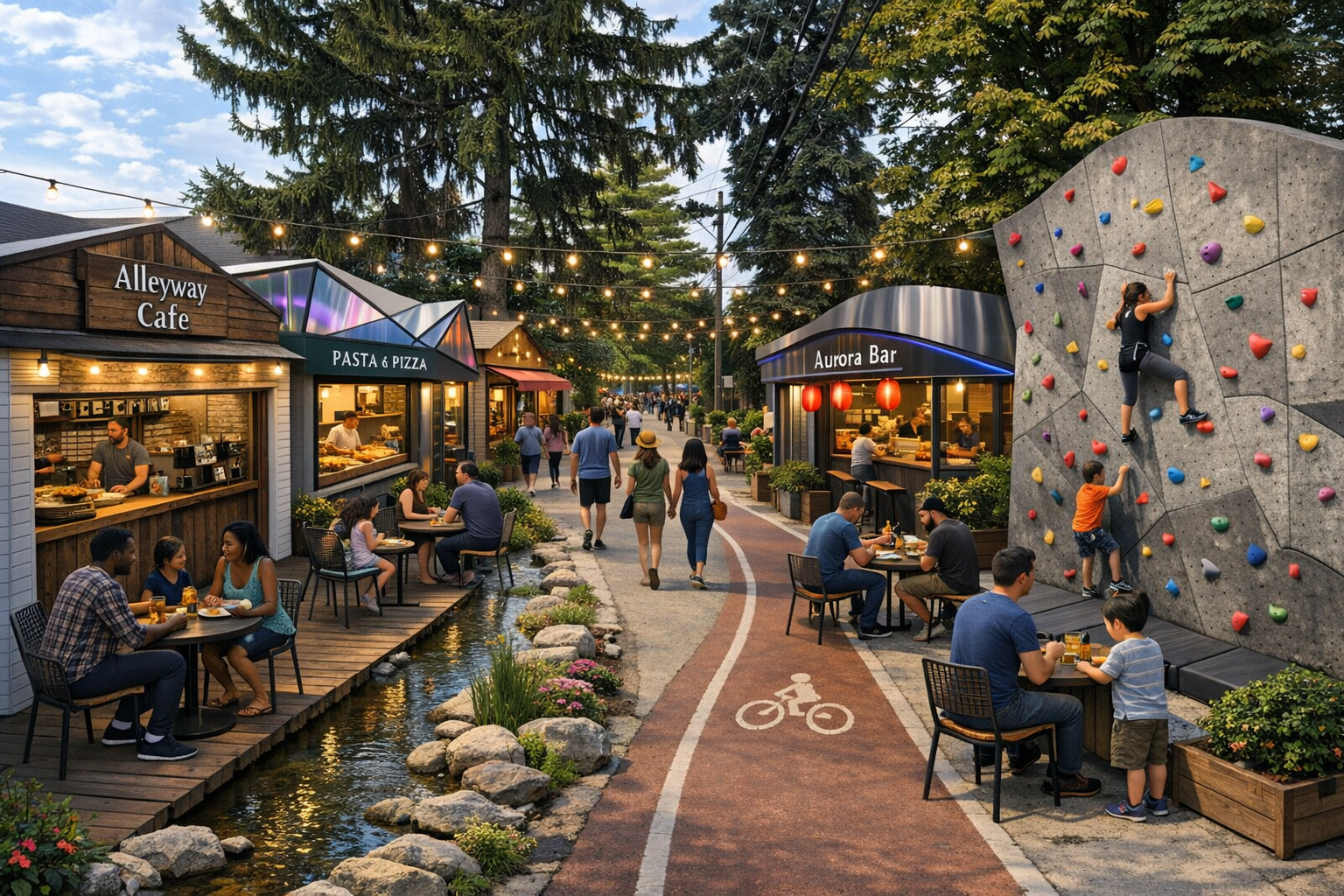
How often have you avoided walking through an alley in the city out of concern for your safety or hygiene? Chicago's alleys are the most pedestrian-unfriendly spaces, for obvious utilitarian reasons, but are intermittently utilized by pedestrians as pass-throughs, shortcuts or actual spaces of often harmless, sometime nefarious activity, which is why I propose the Chicago Allée - a new urban typology, an alley parkway, that has the potential to become a blend of public parks and semi-private or private recreational spaces. There are at least as many alleys as there are arterial roads, which presents an enormous opportunity for additional urban greenery, pedestrian or bike-friendly functions, mom-and-pop commercial activity, and architectural innovation. The Allée is not an alley, nor even an "elevated" design for a traditional alley, but a new, deliberate urban space repurposed for productive and recreational activity.
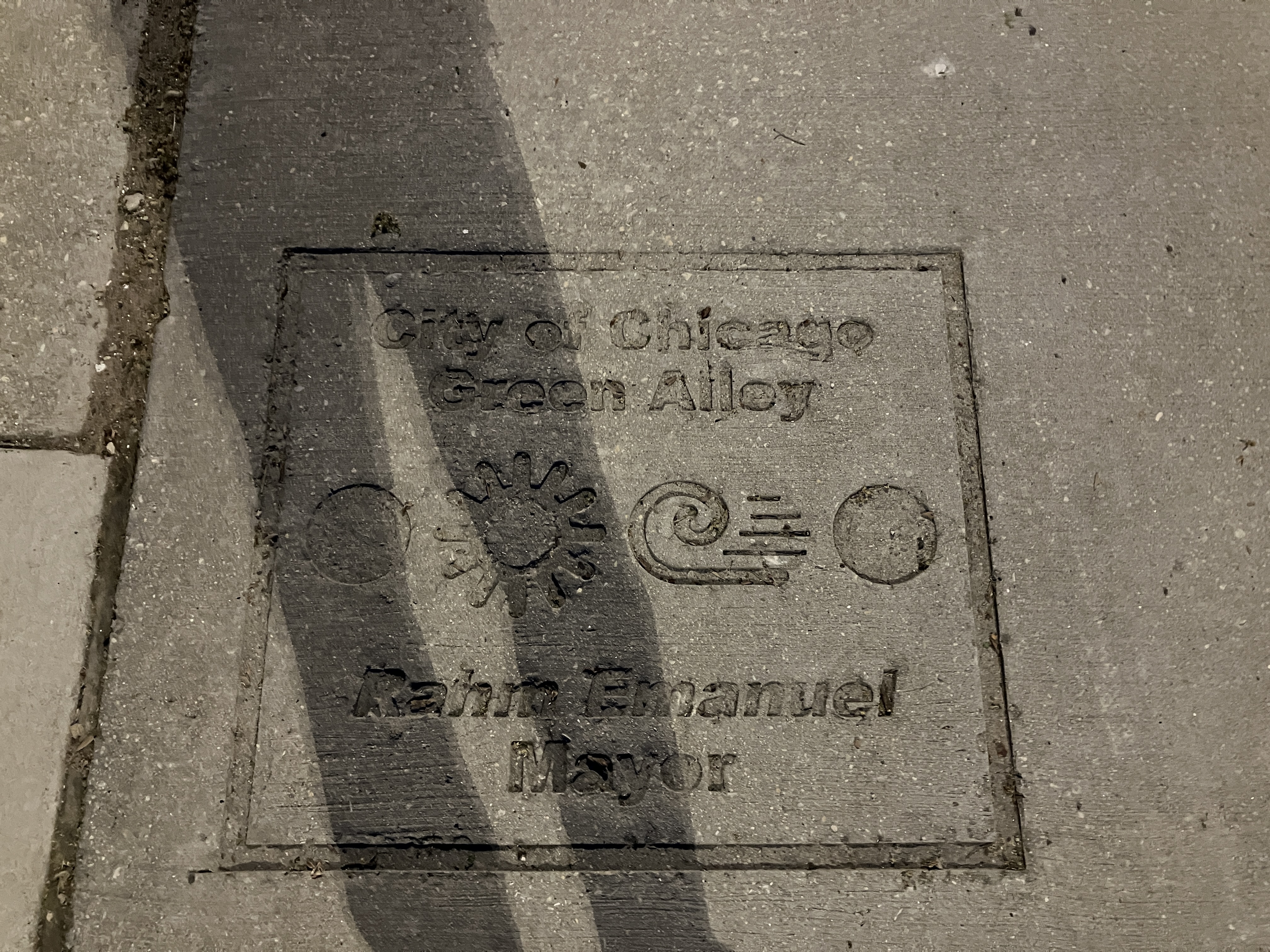
The Allée could change the landscape of urban design in general and open up new possibilities for architectural intervention within the density of the city itself, and there's no more appropriate city for such a historic urban or architectural design milestone as Chicago. Alleys are understandably overlooked urban spaces because of their typical function as a utility and vehicular pass-through corridor. One could imagine an alternate infrastructure of power distribution, waste disposal and sewage control that opens up some alleys for parkway development. Such developments, if unburdened by regulatory controls, could offer rich and unique projects for the many urban and architectural designers as well as artists in the city that will want to work with a new urban typology. We already have examples of adaptive reuse of old infrastructure - the 606 being the biggest example in Chicago, and the ongoing development of the Wild Mile. Both are small in comparison to the city-wide effects of opening development of the alleys throughout the entire city.
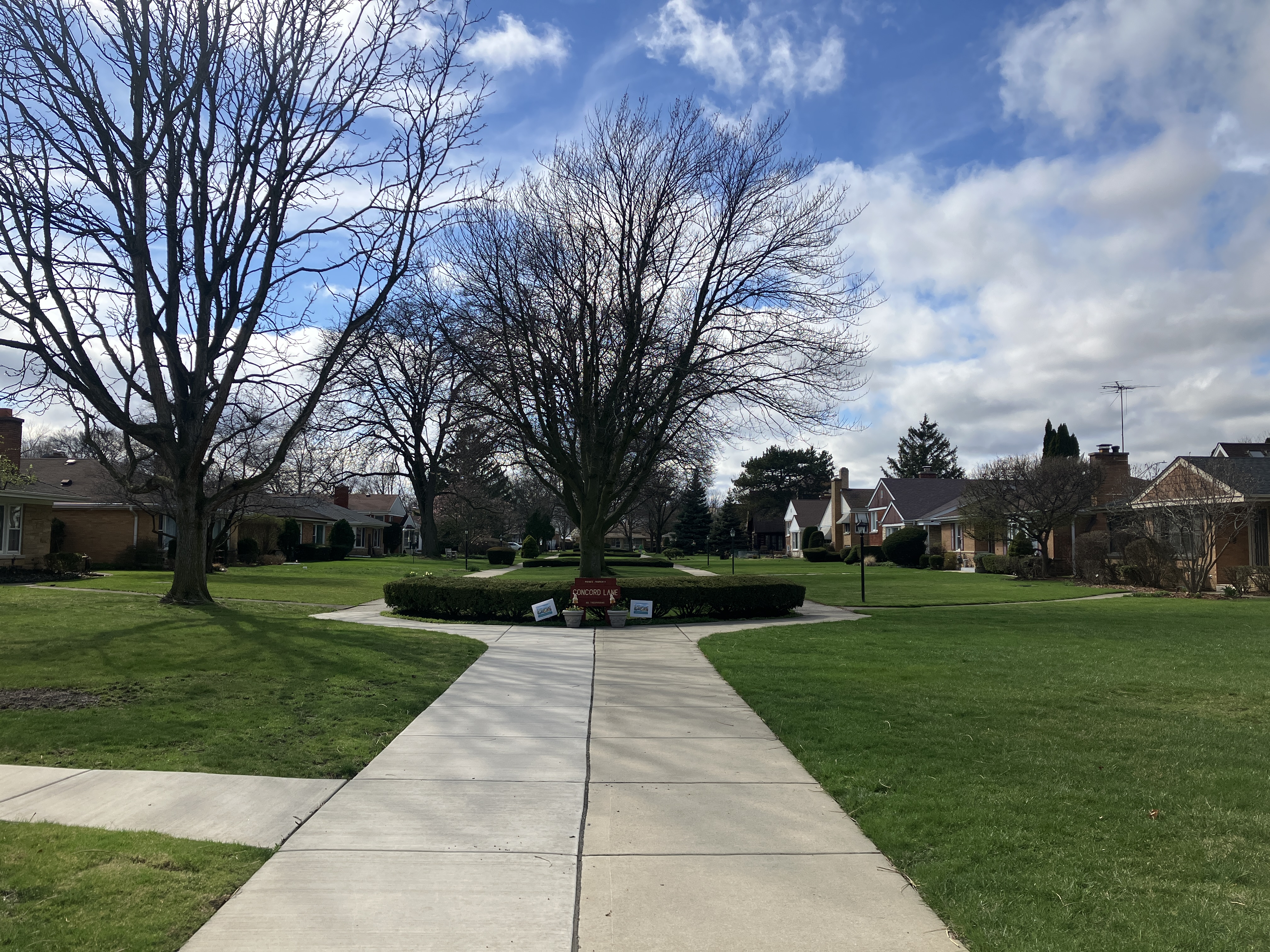
Think of what this means in terms of the mitigation of crime, the introduction of new urban greenery, and the safety of many Chicago kids that play in alleys all over the city. I was one of them. I grew up in Jefferson Park and spent a good part of my childhood biking, playing hide and seek, and basketball in the neighborhood alleys. Nearly every day in the summer I'd play basketball at a neighbor's hoop (perfecting my shot so I didn't dent his garage), bike, or skate in spaces that were intermittently free from or at least infrequently traveled by vehicles, relative to the main or arterial roads. I wouldn't be surprised if many Chicagoans past, present and the future experience the same. Aside from the occasional closed-off block party or Fourth of July celebration, the alleys aren't ideal places for us, or anyone, to spend time. At best, alleys are spaces you should spend as little time as possible. The Allée would reverse that by creating a mixed use, urban “third space” to complement front and back yards. Imagine a thin, linear park for each block, each Allée creating unique conditions and opportunities in every block throughout the neighborhood.
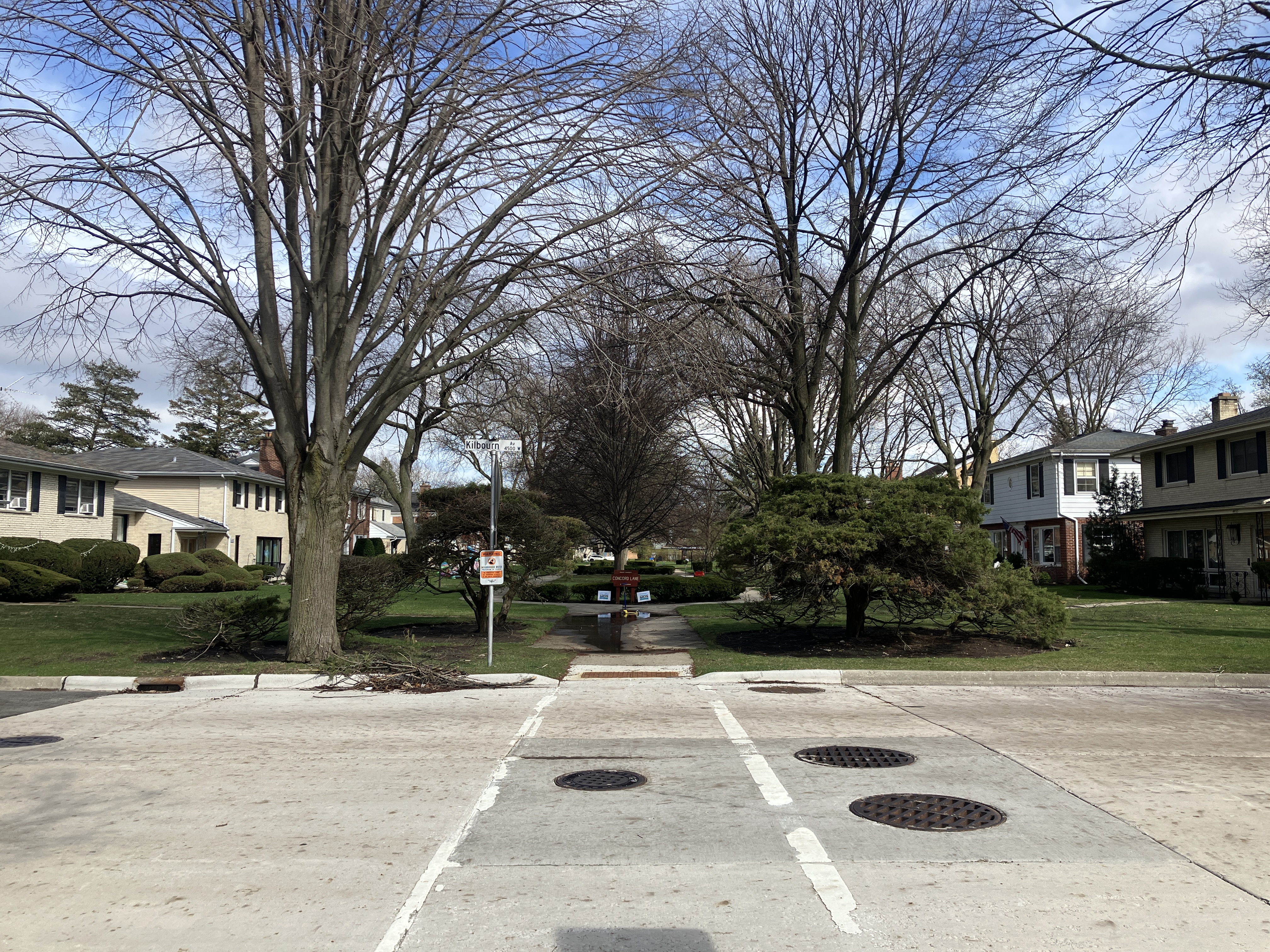
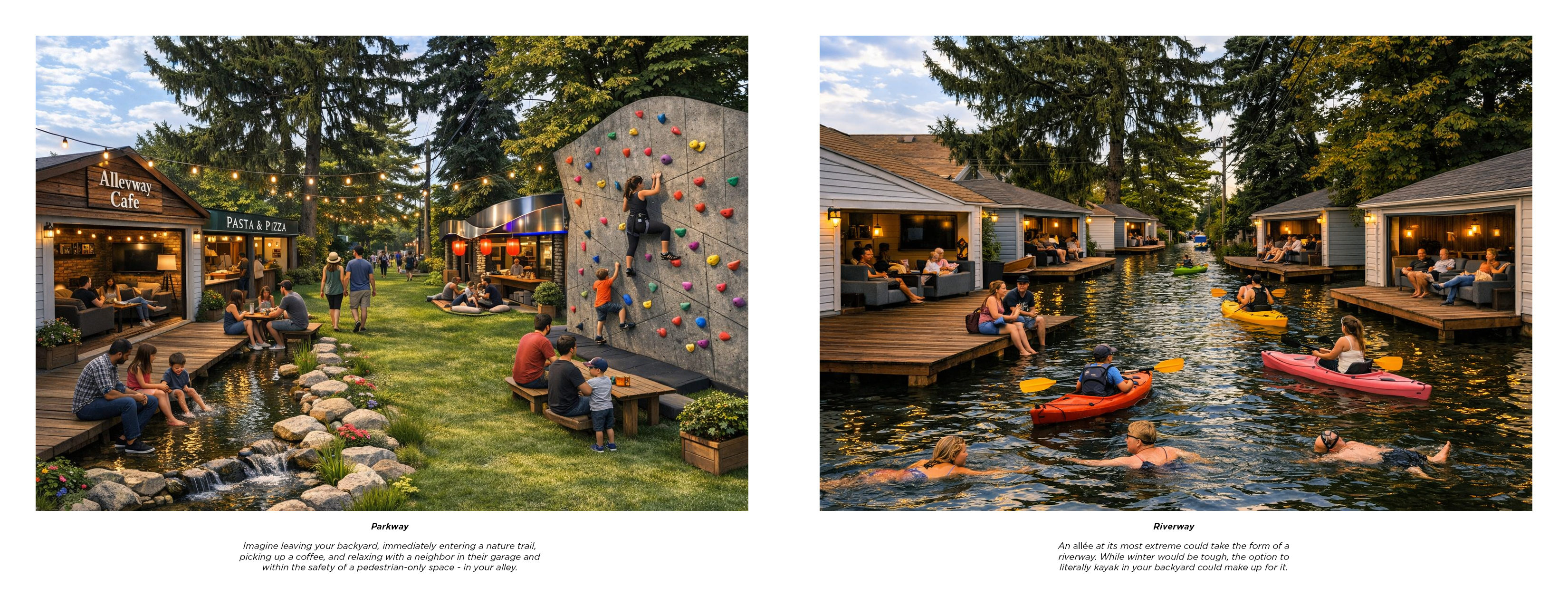
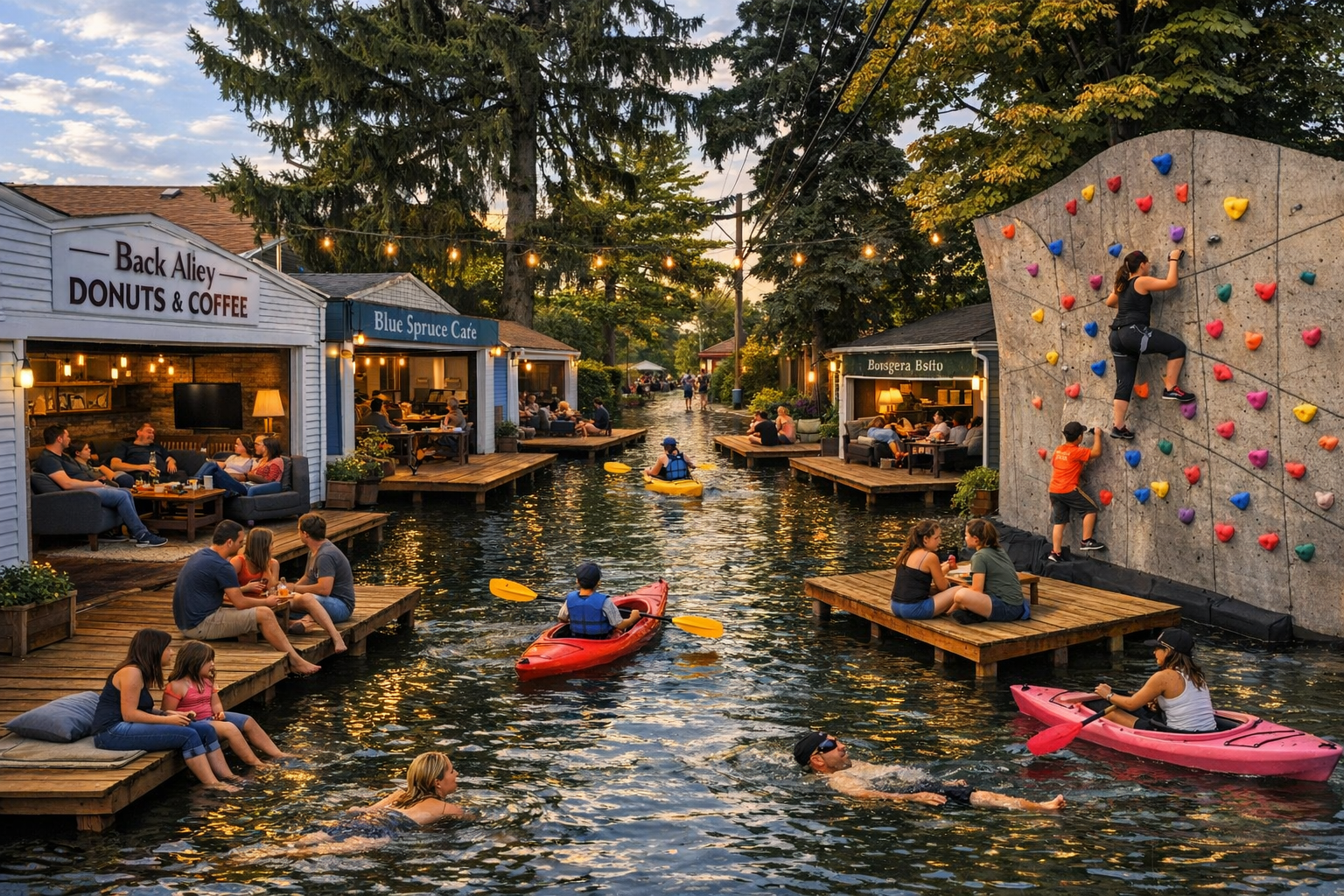
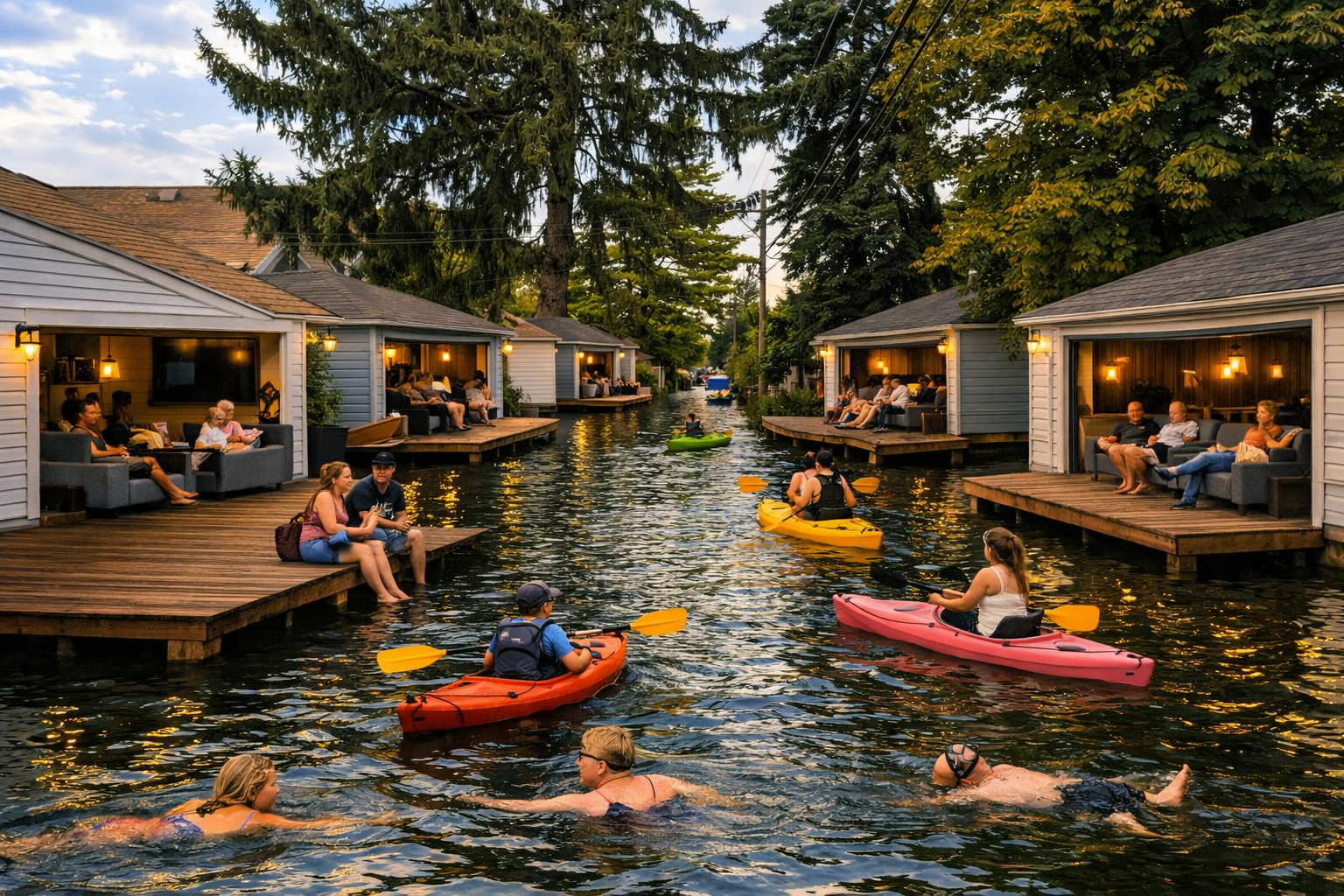
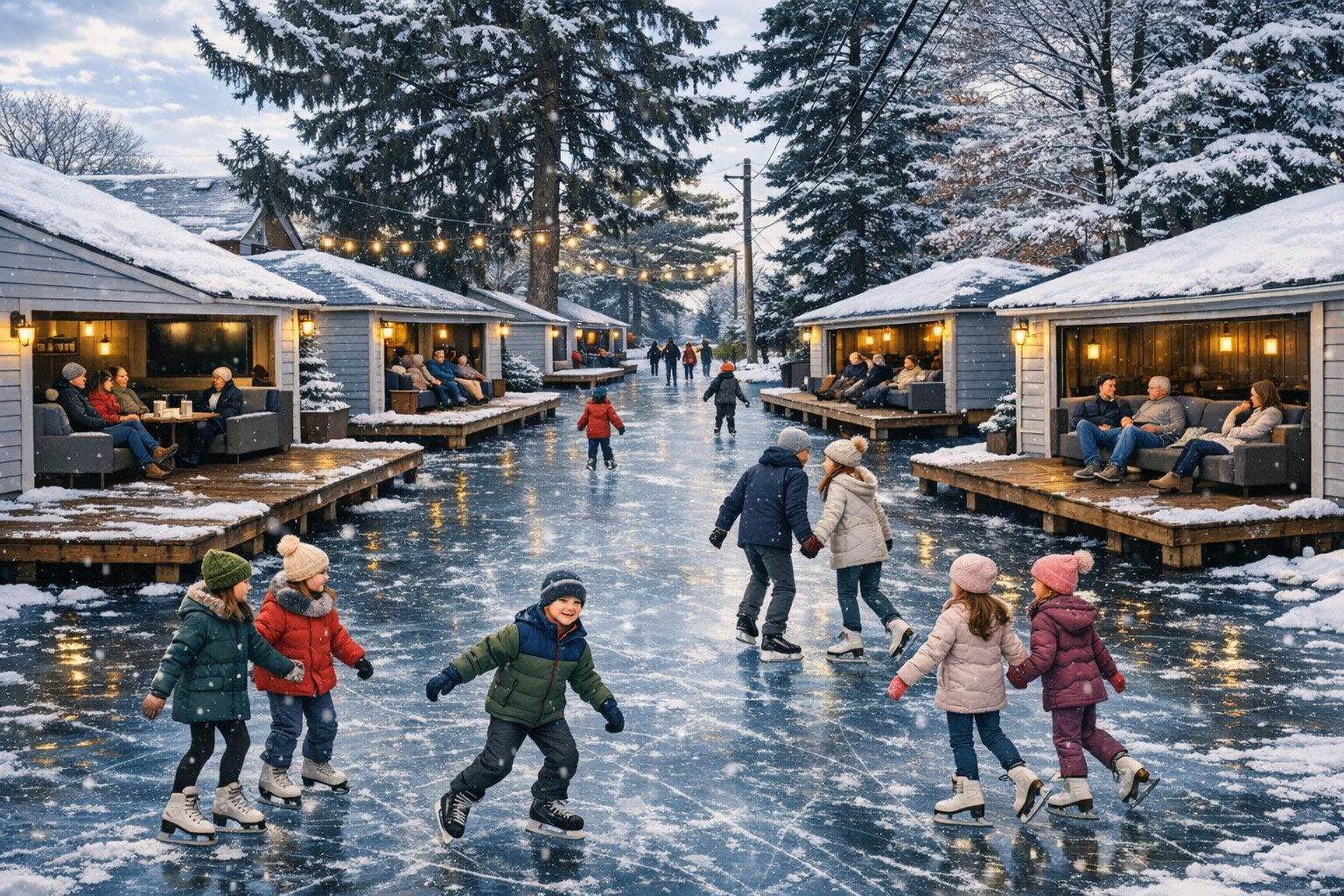
Alley parkways would be relatively small interventions that can be developed piecemeal, property by property. Each development can be an experiment in urban and architectural design that can generate big impacts over the long-run. In some cases, neighbors may be interested in organizing a retail corridor where their garages become bespoke shops or even small dining establishments - not unlike the narrow streets hiding cafes, restaurants and shops in European cities or Tokyo. Imagine the spontaneity of discovering small businesses in your literal backyard, another level of "buying local"! Think of the socioeconomic connections that can develop between neighbors and across neighborhoods - a type of connection comparable to those found in small town America, the difference being every block becomes a "small town America", a more tightly-knit community within a community, bonding over space that directly ties them together. Imagine going for a nature walk down the alley, maybe it even has small water features, or celebrating holidays within the confines of the parkway, away from all cars, and within interconnected backyards. The possibilities are only limited to within the space of the alley and what individual property owners and designers can work together to imagine. The Allée would unite backyards the same way the sidewalk ties front yards together.
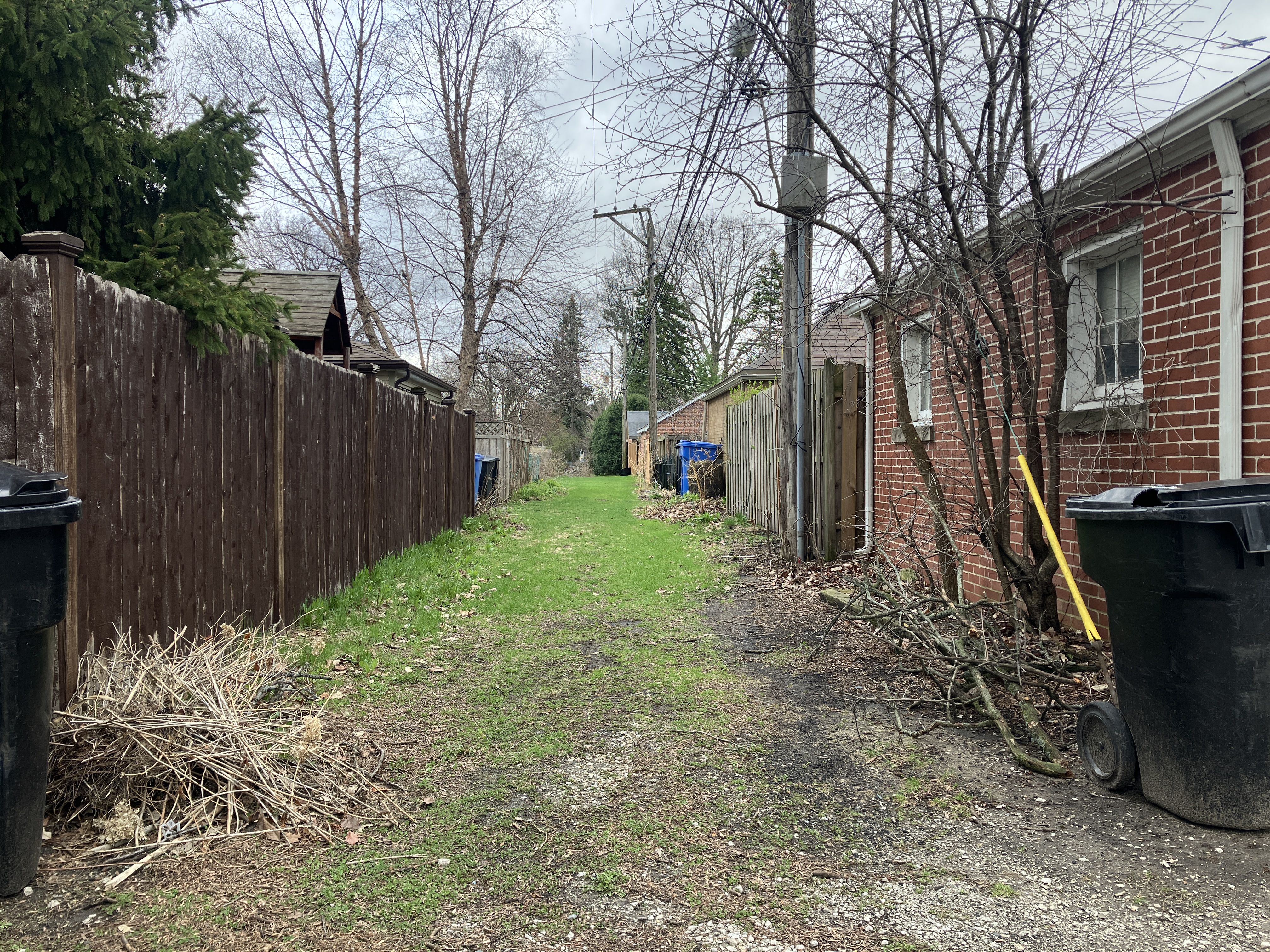
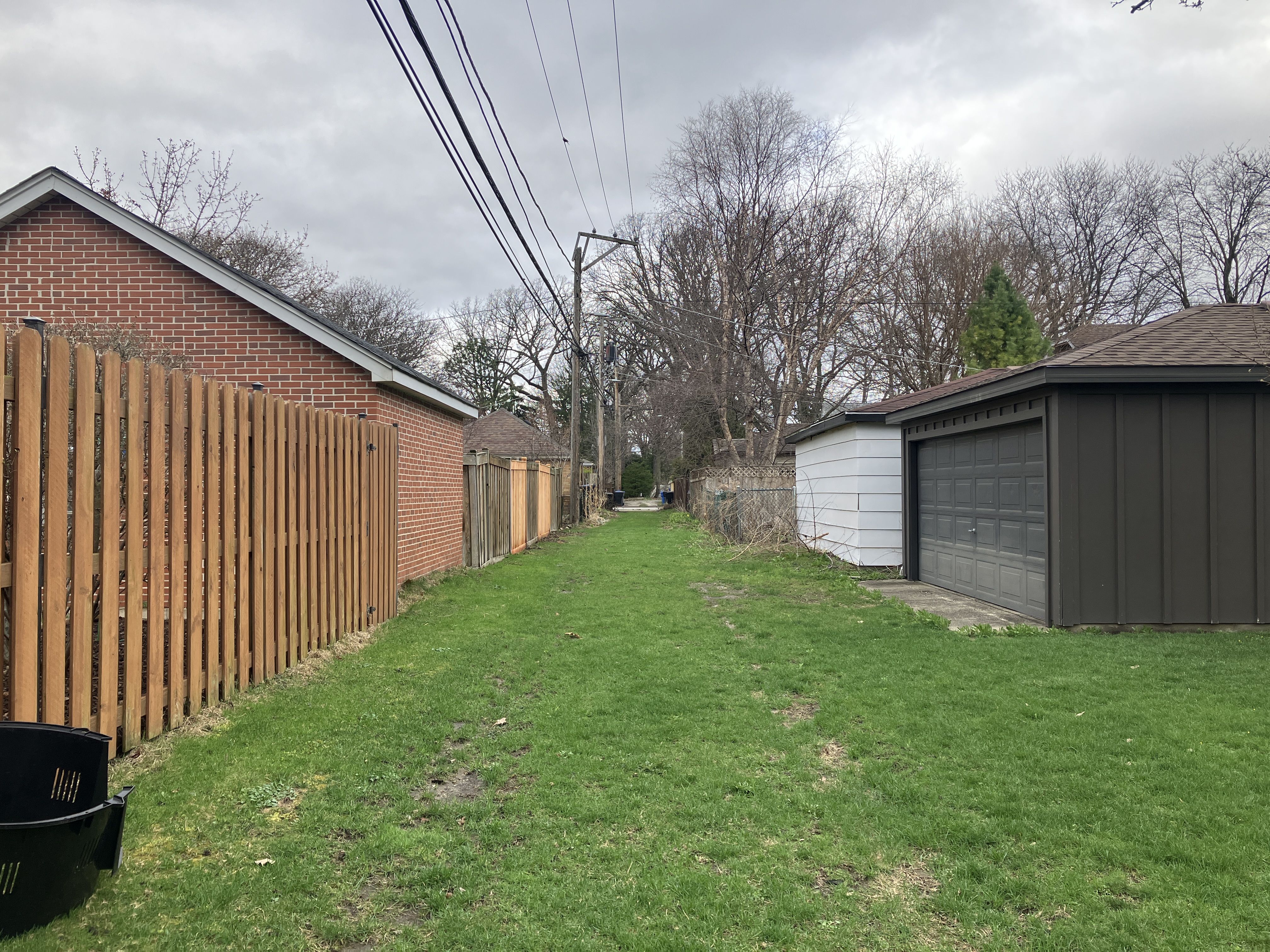
One alley parkway could be developed and tested in any neighborhood if presented properly to interested parties on the block in question who would be primarily accountable for its development. While not necessarily the place where I would propose this intervention, I have seen at least one short alley in the Wildwood neighborhood that was completely overgrown, useless for cars, but fascinating spaces for urban exploration - a seeming neighborhood secret out of a fantasy novel, like a threshold at the end of which is something magical. It's this type of experience, of wonder and unlimited small scale potential, that's worth designing in every neighborhood. Serendipity - what so many Americans rave about after a trip from Europe or Japan - the nooks and crannies typically associated with old city centers, now available in every neighborhood.
Private sector, property owners and respective public agencies would have to determine the proper course of action within the limits of existing regulations and to determine what regulations require loosening or elimination to make the idea possible. The ideal course of action would be to loosen or remove restrictions on present development in those areas, which understandably would require rather significant reform of existing building and zoning codes. This would require more nuance than can be explained here, but in broad brushstrokes such a development (even if only one) could roll out in phases. First, gauge interest in any target demographic/block that has a relatively underutilized alley or an alley that may need dramatic infrastructural improvement and cross reference with those who may anticipate less personal car use in favor of ride-sharing options and other means of transport. An emphasis on private investment is also key and should be held as primary versus public subsidy. Discussion should include an offer to each property owner on the block bordering the alley to purchase from the city a property extension up to the centerline of the alley with a potential easement allowance if necessary. Neighbors can negotiate with each other to share space or create a common path, some blocks might want a fully shared open parkway or all the owners on some blocks might want their allotment to be strictly private, but all arrangements are fair game, dependent entirely on the desires of individual property owners. The only proper role for city government would be to facilitate public property transfer to the individual property owners, litigate property disputes, and generally ensure the protection of property rights for every individual.
Second, if interest is sustained, offer tax incentives and/or remove limits on street parking to allow for further parking options, and propose alternate means of garbage collection as well as utility rerouting for both sewage and electrical/data rerouting as necessary. Perhaps these all could occur underground with easements across property for utility access. With the removal of vehicular access and the reconfiguration of sewer lines and utilities, walkability improves. Property owners can subsequently repurpose garages to accommodate bespoke functions on every block. They may create unique greenways or even waterways at the extreme. Garages might be converted to small retail, residential in the form of larger ADU's, co-working cafes, specialized gyms, or some mixture of the aforementioned. Finally, if a new infrastructural approach for the block and the immediate area is welcomed, call on architects and urban designers for design proposals to be presented to the parties involved. Design proposals could include any new architectural projects on private property (ADU's, new typologies) as well as landscape designs (mini-parks, parkway trails etc.).
The plausibility of this development, as a test or otherwise, is not a stretch; we simply need to look to existing adaptive projects that are similar at least in spirit: Argyle, The 606, the Wild Mile. While I hold a greater conviction that the final frontier for Chicago's urban landscape is the lake itself - a proposal for a new neighborhood on the lake which I have begrudgingly rejected in favor of the Allée - I believe the case for the development of at least one of the city's alleys is more realistic in that it's more feasible in the short-run (within the next decade) if the aforementioned precedents or similar projects are anything to go by. Chicago's alleys have tremendous potential, but it requires shifting how we think of their utility toward productive and recreational activities and opening up the space for development to individual property owners. The Allée could become the next legendary urban and architectural design to be championed in a city renowned historically for such innovation, and by itself could set a precedent for developing and developed cities across the world, all by shifting developmental power back to individual citizenry at the smallest possible scale.
For another bold vision set in Chicago, see the Hypershore, which I intend to articulate more in the future. I nearly considered it for entry, but the concept of the urban allée has been one I've wanted to explore for some time, and is arguably more realizable at block-scale in the short-run.